ISLAMABAD / KABUL — Tensions have emerged between Afghanistan and Pakistan following remarks by Balochistan’s Information Minister, Jan Achakzai, regarding Afghanistan’s reported plans to divert water from the Kunar River toward agricultural areas in Nangarhar province. Achakzai warned that any unilateral action by Afghanistan to redirect the river’s water would be viewed by Pakistan as an act of “hostility.”


speaking to local media, Achakzai stated that the Kunar River, also known as the Chitral River in Pakistan, carries water that Pakistan considers part of its natural water system. He emphasized that Pakistan would not remain indifferent if Afghanistan proceeded with water diversion projects without bilateral consultation and mutual agreement.
According to Achakzai, the Kunar River originates in the mountainous regions of northern Pakistan and flows through the Khyber Pakhtunkhwa province before entering Afghanistan. He noted that the river has a total length of approximately 177 kilometers, with a significant portion flowing inside Pakistani territory before crossing the border.

The statement comes amid reports that the Afghan government has approved long-delayed water management and irrigation projects aimed at transferring water from the Kunar River to arid areas of Nangarhar. Afghan officials argue that such projects are vital for agricultural development, food security, and economic self-reliance, particularly in regions affected by drought and water shortages.

Pakistani officials, however, have expressed concern that large-scale diversion of the river could reduce downstream water availability, potentially impacting agriculture and livelihoods in Pakistan’s northwestern regions. Achakzai stressed that international water norms require neighboring countries to engage in dialogue and coordination when dealing with shared water resources.
So far, the Afghan government has not issued an official response to Achakzai’s remarks. However, Afghan analysts maintain that Afghanistan has the sovereign right to utilize water resources that flow within its territory, especially for domestic development needs. They also point out that Afghanistan has historically underutilized its rivers, while downstream countries have benefited for decades.
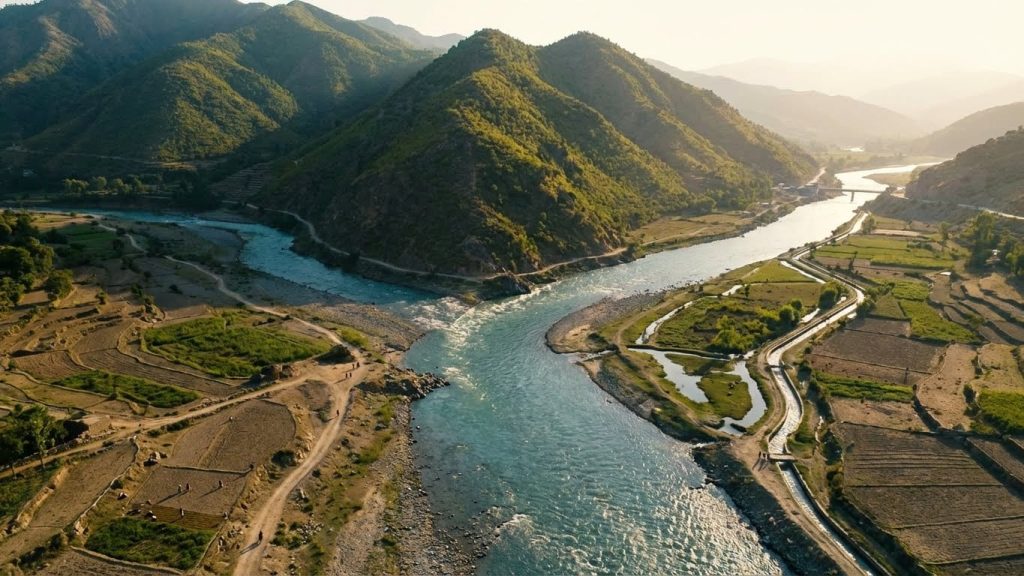
Water experts note that the absence of a formal water-sharing treaty between Afghanistan and Pakistan has long been a source of dispute. Unlike other regional river systems governed by international agreements, rivers such as the Kunar have remained largely unmanaged through bilateral frameworks, leaving room for political disagreements whenever new projects are proposed.
Regional observers warn that escalating rhetoric over water could further strain already complex relations between Kabul and Islamabad. They emphasize the importance of diplomatic engagement, technical dialogue, and confidence-building measures to prevent water disputes from turning into broader political or security tensions.
Environmental specialists also highlight the growing urgency of cooperative water management in South and Central Asia, as climate change, population growth, and increased agricultural demand place additional pressure on shared rivers. They argue that joint studies, data sharing, and sustainable planning could help both countries benefit from the river without causing harm.
As Afghanistan moves forward with plans to modernize its irrigation and water infrastructure, and Pakistan seeks to safeguard downstream water flows, the Kunar River is emerging as a sensitive issue with significant regional implications. Whether the two sides can manage the dispute through dialogue rather than confrontation remains to be seen.