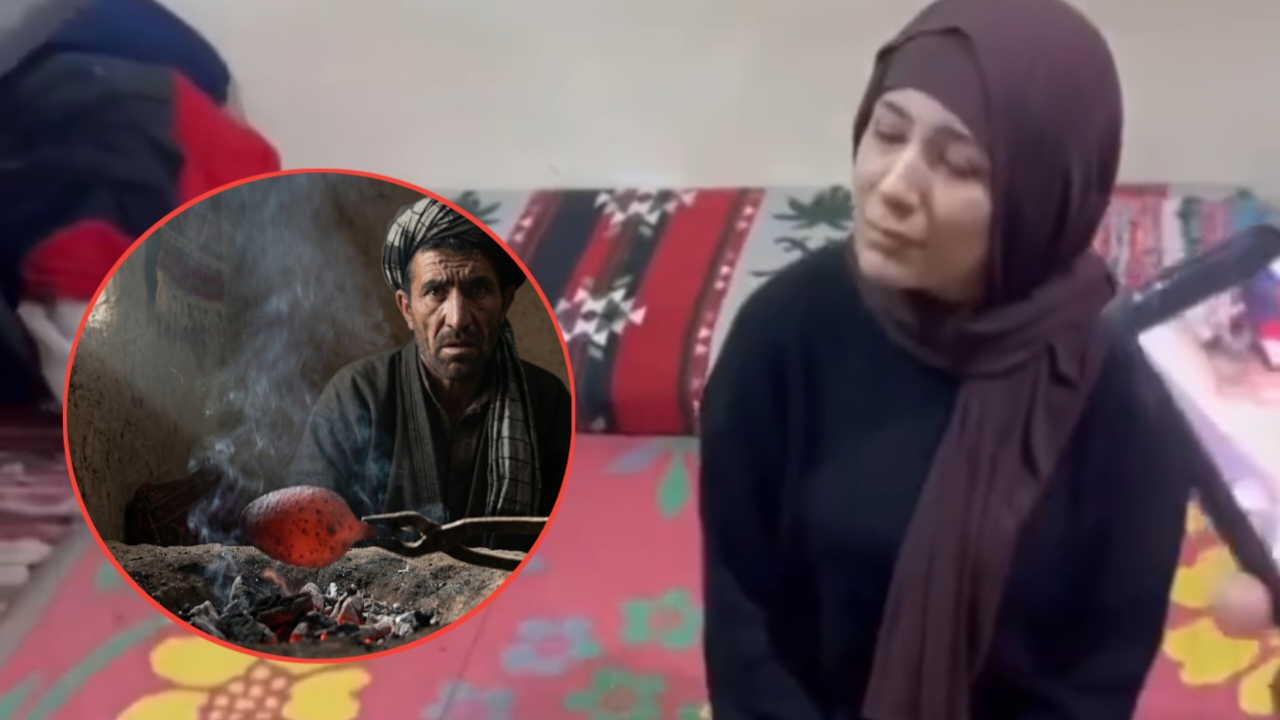
In certain traditional and limited regions of Egypt, an old and controversial custom continues to exist—one that has been widely debated by the public, researchers, and social activists for decades. This custom, known as “Busha‘ah”, is a traditional method used to determine innocence or prove accusations in family or community disputes. Over time, and with the rise of public awareness, this practice has come under intense criticism as an unscientific and unlawful method, seen by many as a relic from the past that no longer aligns with today’s standards.
In this custom, when a serious conflict emerges between two parties—for example, accusations of infidelity, theft, or behavioral misconduct—and both sides insist on their claims, some families or local groups may decide to resolve the matter through traditional and informal means. In such situations, some individuals suggest turning to the Busha‘ah: a local figure who acts as a traditional arbitrator.
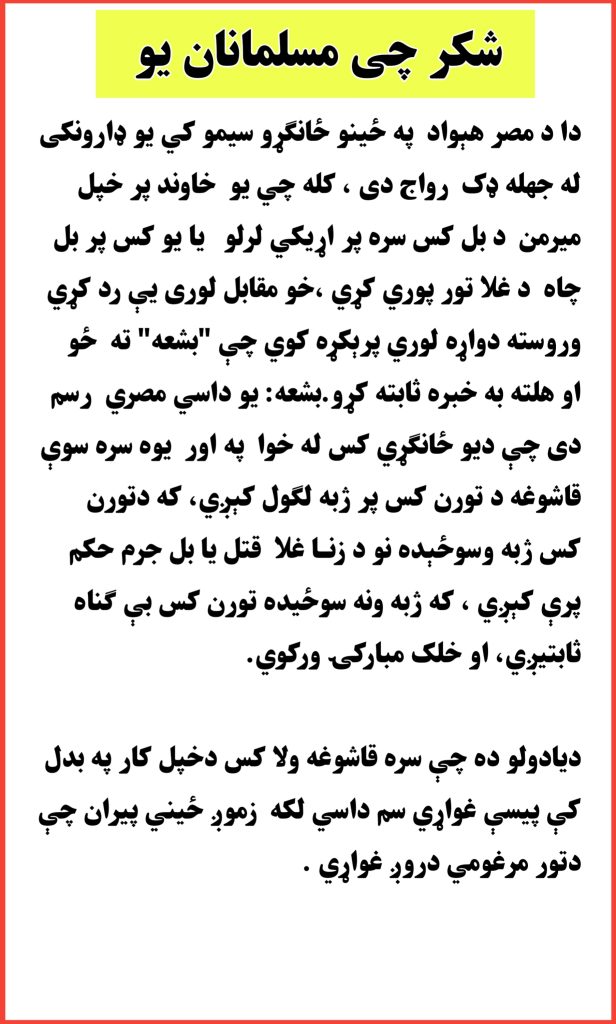
The Busha‘ah practice is based on an old belief that “a truthful person will not be harmed, while a liar will show a sign on the tongue.” Although this belief lacks any scientific or logical basis, it has for years been accepted as a traditional standard in some small communities. In this method, a metal tool heated until red-hot is brought near the tongue of the accused, and the result is used to judge their innocence or guilt. If the person shows no sign of injury, they are considered innocent; if they do, the opposite is assumed.
Legal and social experts emphasize that this method has no legal validity and lacks any scientific justification. Many social activists stress that resolving family, moral, or social issues must take place through legal mechanisms and official institutions, as such practices can lead to injustice, psychological pressure, or serious social harm.
In recent years, Egyptian media, human rights organizations, and civil institutions have carried out extensive awareness campaigns about the consequences of such traditional customs. Today, many families believe that human conflicts should be resolved through dialogue, legal channels, scientific methods, and respect for the rights of all parties. However, in some remote areas or among certain traditional groups, belief in the Busha‘ah has not completely disappeared.
Another aspect of this tradition, often criticized, is the financial component. The individual who performs the ritual receives payment, leading some critics to argue that the practice serves more as a source of income than a method of resolving disputes. Comparisons have also been made with similar traditional customs in other societies—practices rooted in ancient beliefs that gradually lost legitimacy as science, education, and law advanced.
Experts consistently highlight the importance of public education and promoting a culture of turning to legal systems. In a modern society, no family or social dispute should be resolved based on methods that lack scientific accuracy. Using outdated and unreliable traditional approaches not only risks individual harm but can also destabilize family and social relationships.
Today, many Egyptian media outlets aim to shed light on the consequences of such rituals, raising awareness about the need to abandon old customs and replace them with fair, rational, and humane approaches. Modern laws, judicial systems, and family counseling centers provide tools that can serve as suitable alternatives to these traditional arbitrations.
Ultimately, while the Busha‘ah is recognized as part of the historical traditions within some segments of Egyptian culture, today’s society—backed by