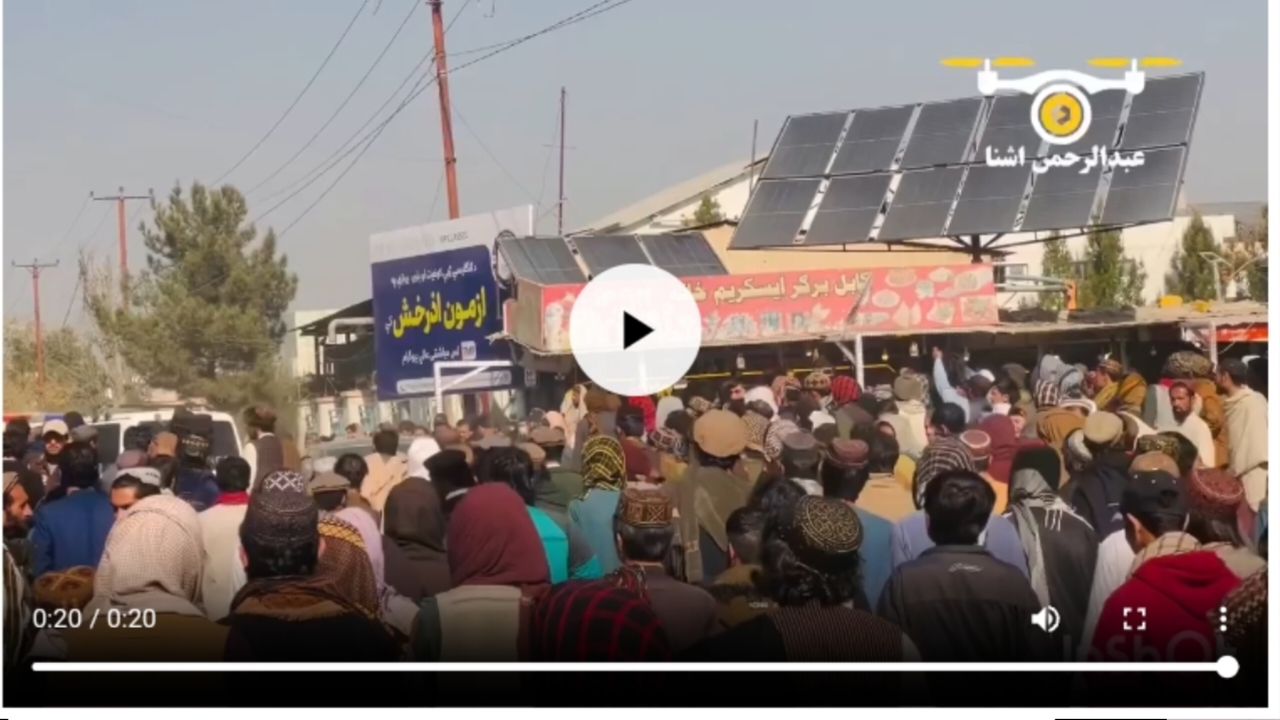
Strong international reaction to the public execution in Khost, the United Nations called for an immediate halt to the execution
The announcement of a public execution has caused serious tensions in Afghanistan’s southeastern province of Khost, where local authorities prepared to carry out the sentence in a sports stadium. According to local residents and journalists, the man convicted under Qassas was transferred to the stadium moments before the scheduled time, which caused a large crowd of people to gather and further increased domestic and international concern.
Provincial officials say the sentences are being carried out in accordance with the rulings of local courts. However, the incident has sparked intense debate within Afghanistan and abroad – including the impact of public sentences on human rights, social stability and Afghanistan’s fragile international relations.
Strong condemnation of the UN expert
Richard Bennett, the U.N. special rapporteur on human rights in Afghanistan, reacted sharply shortly after news of the public executions emerged. He said the public punishments were a flagrant violation of international human rights standards and called on the authorities to stop the practice immediately.
Bennett stressed that justice is possible only through fair judicial proceedings, transparency and humane procedures, which are in line with global legal norms. His statement joins international voices calling on Afghanistan to refrain from actions that would further increase its global isolation.
Reactions at the local level
There have been mixed reactions to the announcement in Afghanistan. Some citizens support the implementation of traditional punishment and refer to it as a means of crime prevention. However, activists, journalists and religious clerics say public punishments can increase fear, heighten political tensions and affect future relations with the international community.
Many Afghans also expressed concern that such incidents could leave a psychological impact on families, children and society. According to human rights organizations, the spectacle of public punishments can have lasting negative effects on the minds of children and young people.
a growing global concern.
The resumption of public executions has once again put Afghanistan in the centre of global attention. Diplomatic experts say the situation could affect aid, foreign investment and the global reputation of the judicial system. Many countries have called for legal reforms in Afghanistan over such incidents in the past.
Humanitarian agencies say the Afghan people are already facing a severe economic crisis, unemployment and a lack of basic services. According to him, such controversial measures could set back the country’s vital needs and complicate ongoing global efforts to support vulnerable communities.
The new justice system in Afghanistan
The Khost incident has sparked a new national debate on the judicial system and justice system in Afghanistan. Some are in favor of following strict traditional laws, while others say the country should adopt modern procedures that ensure transparency, fair trials and the protection of fundamental rights.
Experts say Afghanistan stands at a critical juncture – the path taken by the authorities could determine relations with the international community for years to come. Whether the leadership responds to global concerns or continues the current process remains unclear.
Khost’s case highlights the conflict between Afghanistan’s judicial system and international human rights standards. As voices of reform rise from other institutions, including the United Nations, both the Afghan people and the international community are closely monitoring the situation. The future of the country’s legal direction may depend on whether its leaders adopt a tough policy or make changes consistent with international norms.