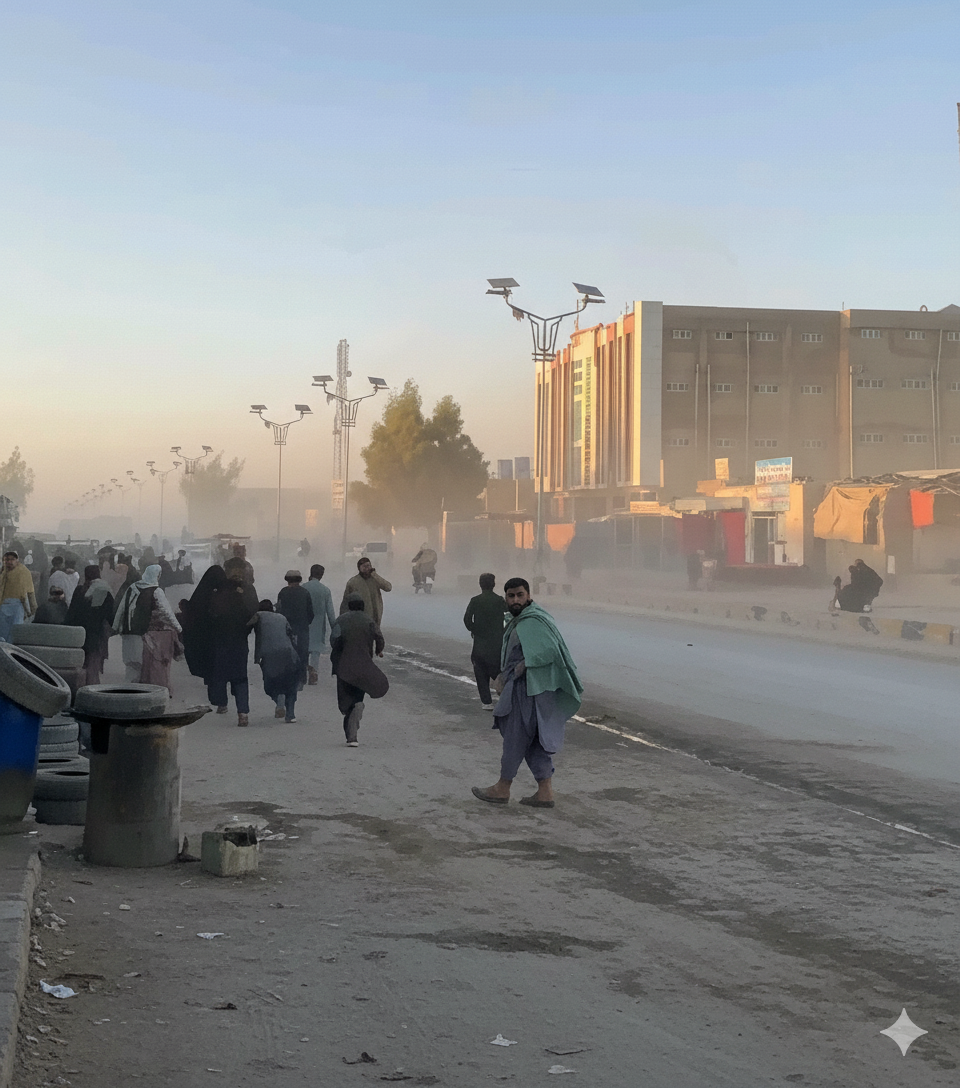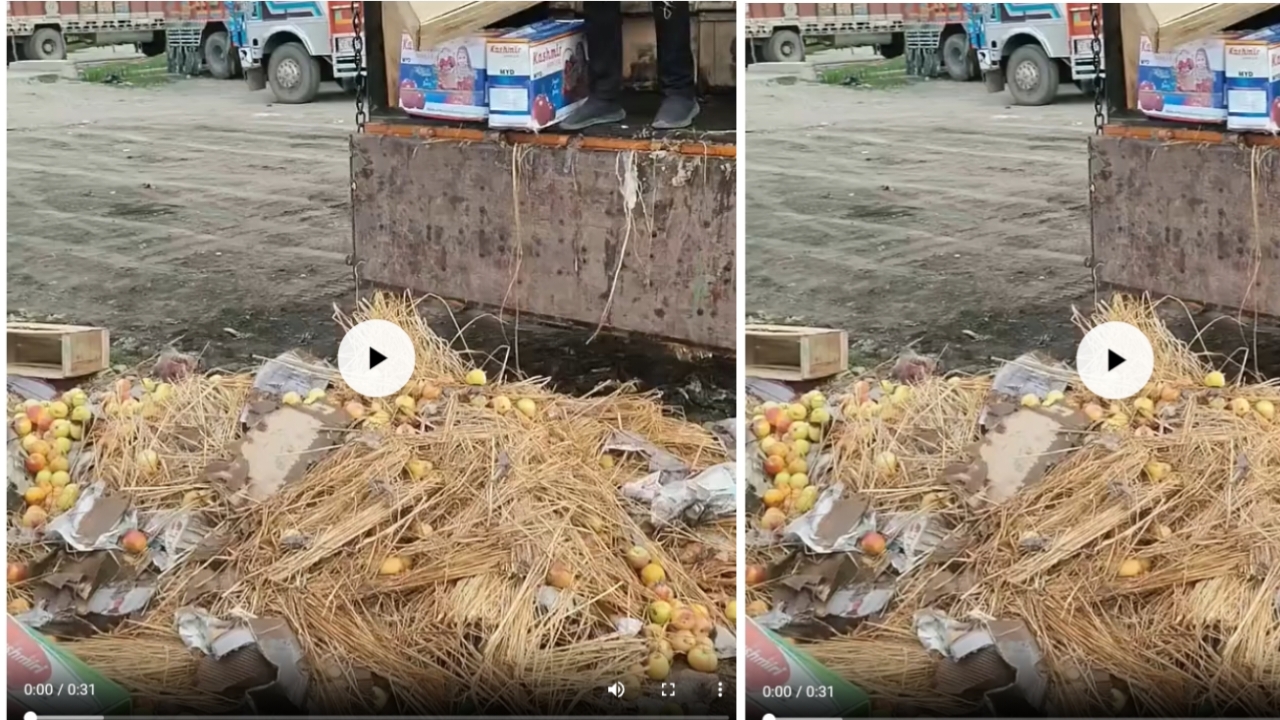
There is a wave of concern on social media. Many Afghan consumers complained that fruits and vegetables imported from Pakistan were damaged, rotting or in unusable condition. According to residents of different provinces, these commodities coming to the market were rotten, soft or badly affected, raising questions on the quality of transportation, storage methods and overall quality control.
Dozens of people who bought the goods shared videos and photos with local media pages and community groups, and reported that they received the damaged goods despite hoping for fresh commodities, suffering both financial loss and frustration.
Video evidence from users.
Several users have sent videos of damaged fruits and vegetables to news pages, showing how the goods in the baskets are in a rotten, soft, stressed or discolored state. According to the videos, this could possibly be the result of improper storage, a long travel period, or a drastic change in temperature during transit.
The sender of the video says that these clips have been made available to the public and the link has been placed in the first comment. so that people can see for themselves. The widespread dissemination of the videos shows the growing frustration and concern of users.
Traders and shopkeepers are worried.
Local traders who import fruits and vegetables from the Afghan-Pakistan border say unnecessary delays, long vehicle queues, and lack of modern facilities such as cold storage are major causes of losses at the border. According to him, goods often stand at the border for hours – sometimes days – and get damaged due to lack of proper cooling.
Shopkeepers say customers complain about the poor quality of goods, forcing them to reduce prices or throw away goods. This is affecting their business as well as reducing the trust of customers.
The need for rigorous quality testing
After the videos went viral, users have called on the Afghan authorities to conduct strict quality checks at border entry points. People say that it is necessary to stop such bad things before they reach the markets of big cities, where prices are already high and people are struggling to meet daily expenses.
According to economists, Afghanistan needs investment in sustainable supply chains, cold storage systems, transport refrigeration, and local agricultural production. So that the dependence on imports is reduced and the quality of food is improved.
Reactions on social media
The issue has sparked intense debate online, with users expressing anger, frustration and concern about public health. Many people are questioning how such defective items are being allowed to enter the country without proper checking. Some consumers have also demanded transparency from importers.
Users thanked those who made and shared the video and said that public awareness is necessary. So that further losses can be prevented and accountability established in the supply chain.
Complaints of spoiled fruits and vegetables from Pakistan have highlighted wider problems in the region’s trade and supply chains. As the videos spread on social media, consumers, traders and authorities are under increasing pressure to deliver only healthy and quality goods to the market.
The situation has further accentuated demands for better oversight, stronger logistics, and investment in Afghanistan’s own agricultural production. Unless these steps are taken, users are forced to be cautious – and are presenting these videos as clear evidence of the problem.