Over the past few months, Afghanistan has made significant progress in its economic and trade relations with Central Asian countries. This development is being seen as a major turning point for trade, connectivity and long-term development in the region. Officials on both sides say that strong trade partnerships can not only create new investment opportunities. It can also increase exports and ensure economic stability for millions of people. While Afghanistan is busy revamping its markets and infrastructure, cooperation with countries like Uzbekistan, Turkmenistan, Tajikistan and Kazakhstan has become more important than ever.
Expansion of trade routes – the main goal
The main objective of this new diplomatic and economic behavior of Afghanistan is to diversify the trade routes. For decades, Afghan traders faced difficulties due to limited and unstable trade routes. However, with new agreements, improved rail links and upgradation of border facilities, Afghanistan can now transport goods more efficiently. Central Asian countries also see Afghanistan as an important bridge of access to South Asia and the Middle East, further strengthening interest on both sides.
An increase in imports and exports
Afghanistan’s exports are increasing in various sectors. Fresh and dried fruits, saffron, minerals, carpets and medicinal plants are now reaching the markets of Central Asia in large quantities. In return, Afghanistan is importing wheat, petroleum products, construction materials and industrial goods. This bilateral trade not only supports Afghan businesses. But it also plays an important role in price stability in the domestic market. Experts believe that if these economic links continue to grow at the same pace, Afghanistan could become a central trade and energy corridor in the region.
Increased cooperation in the field of energy
Energy cooperation is an important part of Afghanistan’s economic strategy. Afghanistan has long been importing electricity from neighboring countries, especially Uzbekistan and Tajikistan. Better political understanding and new energy agreements have made the power supply more stable than before. Major projects like CASA-1000 and TAPI are examples of how Afghanistan and Central Asia can work together to create long-term benefits for the entire region.
Development of transport and rail network
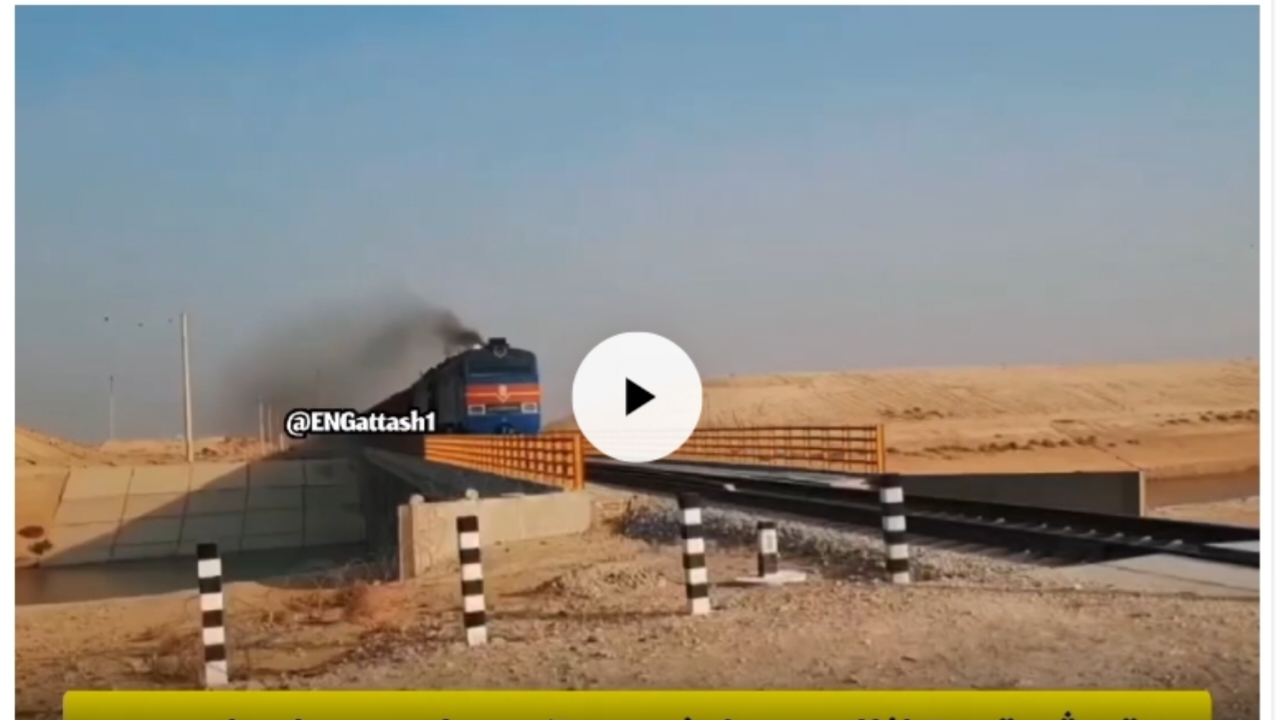
To expand trade links, Afghanistan has resumed talks on extending rail lines from Uzbekistan and Turkmenistan to different parts of Afghanistan. If the projects are completed, Afghanistan will have land routes to the Caspian Sea, Europe, Russia and China. Improvement of roads at border points has also accelerated commercial activities, leading to lower costs and shorter travel time.
Economic relations and regional stability.
Analysts say strong economic ties are often a source of regional stability. When countries engage in trade and investment with each other, the possibilities of mutual cooperation and peace increase. Afghanistan’s growing ties with Central Asia are a sign of a desire for the country’s future to be based on economic, not political, partnerships.
Challenges faced
Despite progress, many challenges remain, including border rules, customs delays, security issues, and international banking restrictions. Due to these barriers, Afghan businessmen have difficulty in financial transactions at the global level, which limits exports and foreign investment. Experts say that if these problems are solved, the trade volume between Afghanistan and Central Asia can double in a few years.
Overall, the growing trade relations between Afghanistan and Central Asian countries are the beginning of a new economic era in the region. These relationships can not only increase employment. They can also boost investment, connectivity and regional prosperity. As Afghanistan expands cooperation with its northern neighbors, many experts believe that these economic routes will contribute to the country’s sustainable development and self-reliance.