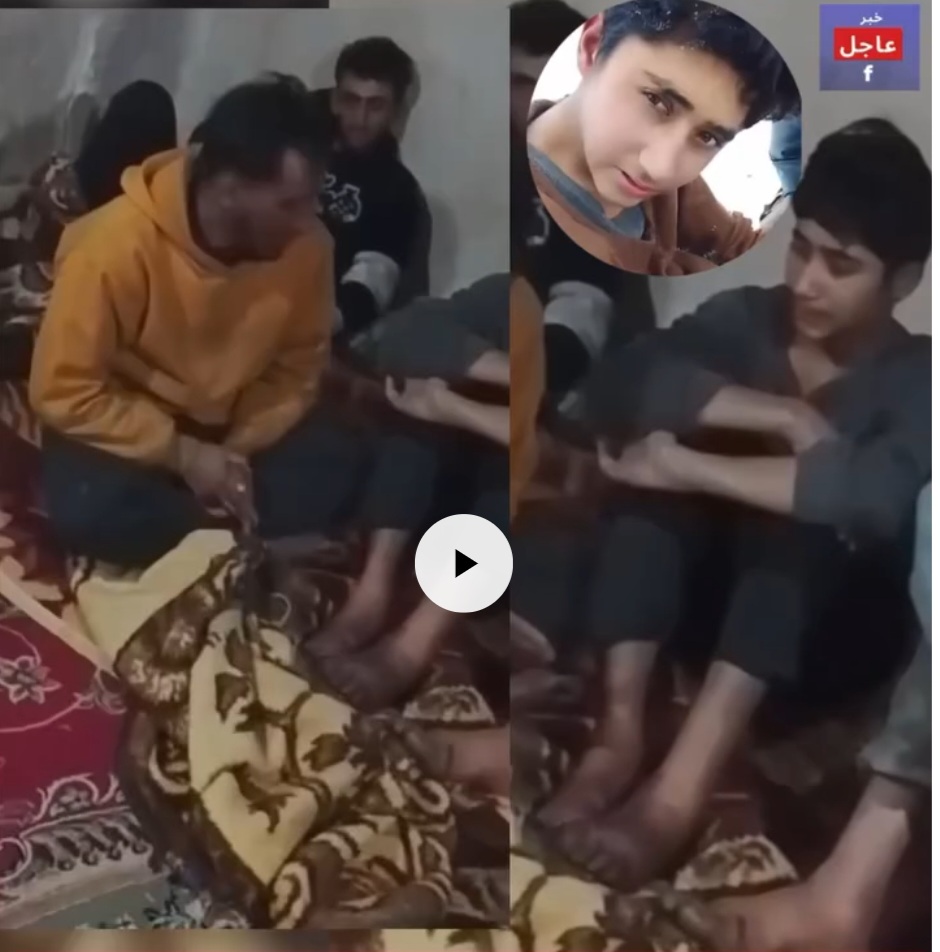
An urgent and emotional story that recently captured widespread attention across social media and regional news platforms has taken a new and unexpected turn. The child who was reportedly trapped in heavy snow near the Iran–Turkey border has now been safely rescued by a brave Afghan individual. However, fresh questions have emerged regarding a man who had previously claimed responsibility for helping relocate the child to the United Kingdom.
According to initial reports, the child was stranded in freezing conditions near the mountainous border region between Iran and Turkey, an area known for its harsh winters and dangerous migration routes. Images and messages shared online showed the child surrounded by snow, prompting an outpouring of concern, prayers, and calls for immediate help from people across Afghanistan and beyond.
Fortunately, the situation changed when a courageous Afghan man intervened and managed to rescue the child from the life-threatening conditions. Sources say the rescue took place after local efforts and quick action prevented what could have been a tragic outcome. The child was reportedly moved to a safer location, where basic needs and medical attention could be provided.
Shortly after the rescue, a man identifying himself as an Afghan pilot named Omar Yousafzai appeared on social media. He publicly promised that he would take responsibility for the child, claiming that he would legally transfer the child to London and ensure a secure and lawful future. His statements quickly gained traction, and many users praised what they believed to be a humanitarian commitment.
However, following the successful rescue of the child, the situation took an unexpected turn. Media activists and independent observers began to notice inconsistencies surrounding the pilot’s identity and online presence. According to multiple digital investigators, the Facebook account used by the individual known as “Omar Yousafzai” has now disappeared, and evidence suggests that the profile may have been fake.
Activists report that attempts to contact the individual failed, and no verifiable records confirming his identity, aviation background, or legal capacity to carry out such a relocation could be found. As a result, concerns have grown that the promise made online may have been misleading or entirely fabricated.
This development has sparked serious debate about the spread of unverified information during humanitarian crises. While many people acted in good faith by sharing the story and expressing support, experts warn that false claims can complicate real rescue efforts, raise false hopes, and distract from legitimate humanitarian work.
Despite the controversy, reliable sources confirm that the rescued child is currently safe. Local individuals and aid-minded community members are reportedly monitoring the situation to ensure the child’s well-being. However, no official confirmation has been issued regarding the child’s long-term future or any international relocation plans.
Human rights advocates emphasize the importance of protecting vulnerable children involved in migration routes, particularly in border regions known for extreme weather and security risks. They also call on social media users to verify information carefully and rely on trusted sources, especially when stories involve children and life-threatening circumstances.
The incident highlights both the power and the danger of social media. On one hand, online platforms helped draw attention to a child in danger and mobilize concern. On the other hand, the emergence of a possibly fake profile making dramatic promises has raised questions about accountability and truth in digital spaces.
As of now, authorities and local community figures urge the public to focus on the positive outcome—the child’s rescue—while remaining cautious about unverified claims. Investigations into the online identity of the individual who claimed to be a pilot are reportedly ongoing among independent media monitors.
In conclusion, while the rescue of the child near the Iran–Turkey border stands as a moment of courage and humanity, the disappearance of the individual who promised further assistance serves as a reminder of the need for responsibility, verification, and honesty in times of crisis. The child’s safety remains the priority, and observers hope that any future steps will be taken through transparent and lawful channels.


