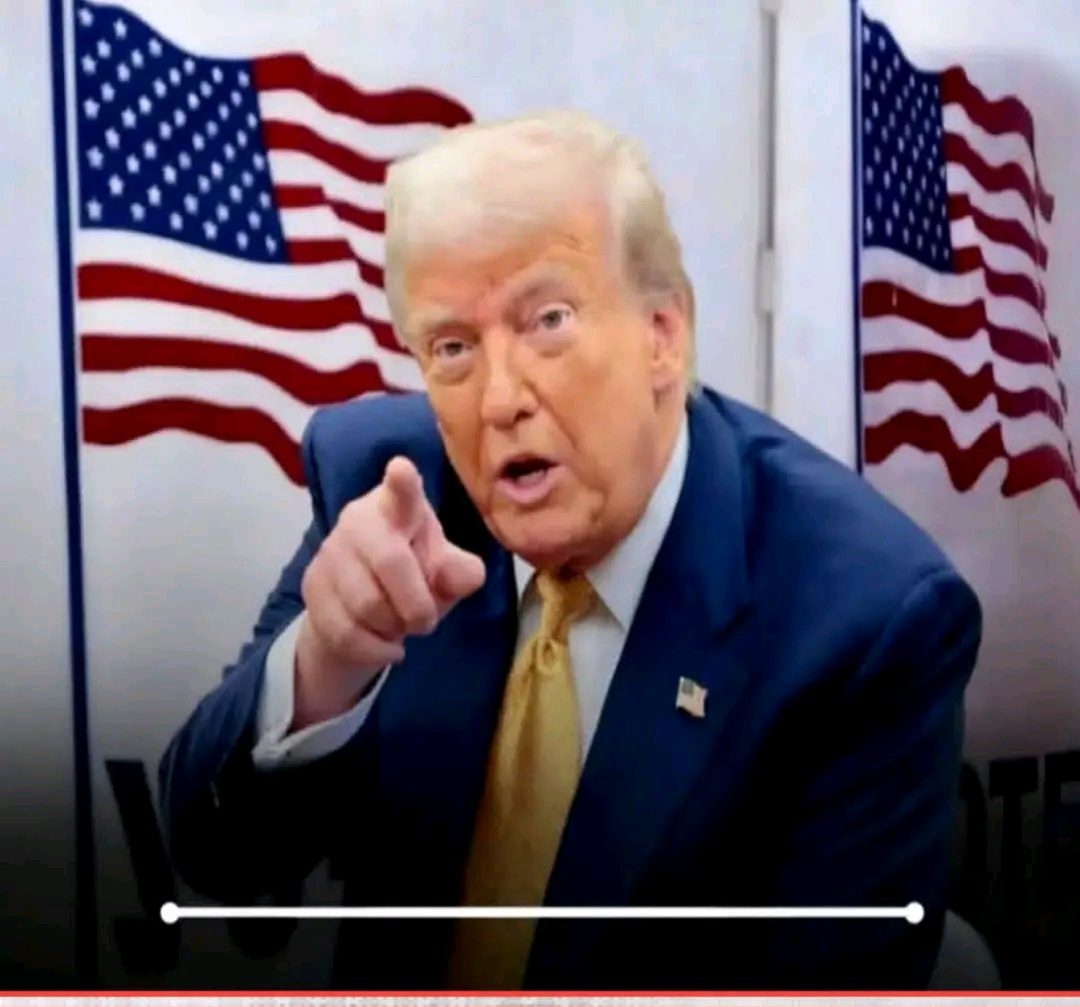
Debate is intensifying across the United States following reports that former President Donald Trump is preparing to sign an executive order aimed at establishing stricter nationwide election standards. The proposed order would reportedly require photo identification for in-person voting and place new limits on certain forms of widespread mail-in voting. As discussions unfold, the issue has quickly become a central topic in national political conversations ahead of the 2026 midterm elections.
Supporters of the proposal argue that stronger national standards could help reinforce election integrity and increase public confidence in the voting system. They point out that voter ID requirements are already in place in many states and say that expanding such standards nationwide would create greater consistency. According to advocates, clearer verification rules could reduce disputes, prevent confusion, and enhance transparency during the electoral process. Many believe that uniform guidelines may also streamline election administration and strengthen trust among voters who want assurance that elections are conducted fairly.
At the same time, critics have expressed concerns about the legal and constitutional implications of sweeping federal mandates on voting procedures. Election law experts emphasize that the U.S. Constitution traditionally grants primary authority over election administration to individual states. Because of this framework, any significant federal directive could face legal challenges and potentially undergo judicial review. Opponents also raise questions about voter access, arguing that new nationwide requirements must be carefully crafted to avoid unintended barriers for eligible voters.
Public opinion on voter identification laws has historically shown broad support in principle. However, polling data often reveals that views can shift depending on how specific policies are designed and implemented. Similarly, mail-in voting policies vary widely across the country. Some states rely heavily on vote-by-mail systems, conducting most elections through mailed ballots, while others restrict absentee voting to limited circumstances such as travel, illness, or military service. These differences highlight the complexity of creating a single national standard that applies equally to all states.
Legal scholars suggest that if an executive order is signed, it would likely spark a period of judicial examination and political debate. Courts may be asked to evaluate the balance between federal authority and states’ rights in managing elections. This legal process could shape not only the immediate implementation of any new rules but also future interpretations of federal power in election policy.
Beyond the legal dimension, the broader national conversation centers on how to balance three key priorities: election security, voter accessibility, and constitutional authority. Policymakers from both major parties are expected to use the issue as a defining point in campaign messaging leading up to the midterms. For some voters, the focus will be on preventing potential irregularities. For others, the emphasis will remain on ensuring that every eligible citizen can cast a ballot without unnecessary obstacles.
As the 2026 elections approach, the debate over national election standards is likely to remain at the forefront of American politics. Whether the proposal advances smoothly, faces court challenges, or undergoes revision, its impact will extend beyond a single election cycle. Ultimately, the outcome may influence how Americans view the structure, security, and fairness of their democratic system in the years ahead.


