Dense and heavy clouds have entered many areas in and around Afghanistan, due to which there is a significant change in the weather across the country. Meteorologists say the system holds so much moisture that it can cause widespread rain in the plains and snow in the highlands. The changing weather is affecting not only daily life but also travel and agricultural activities, while local authorities are keeping an eye on potential hazards.
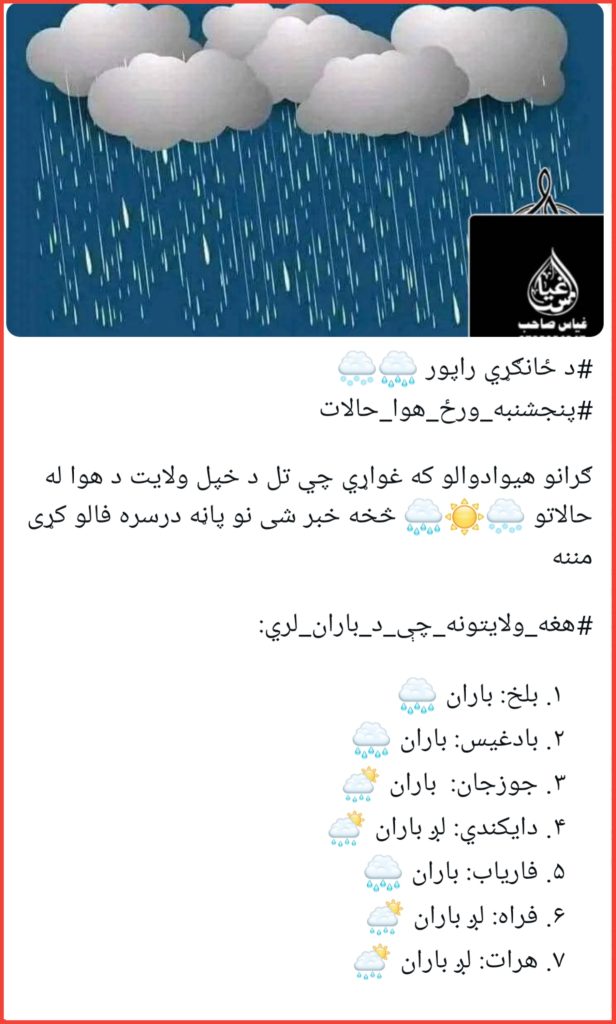
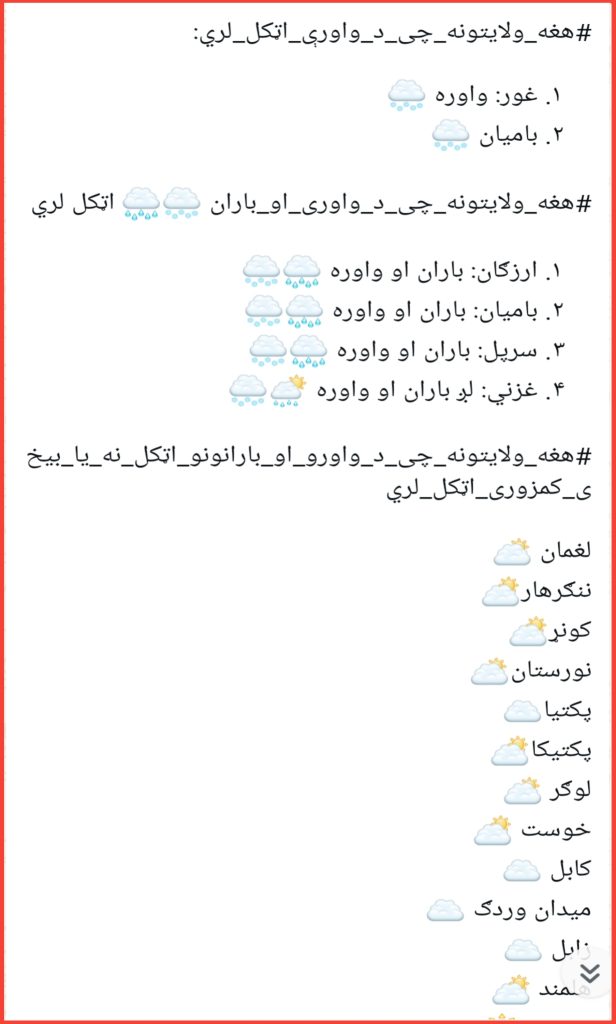
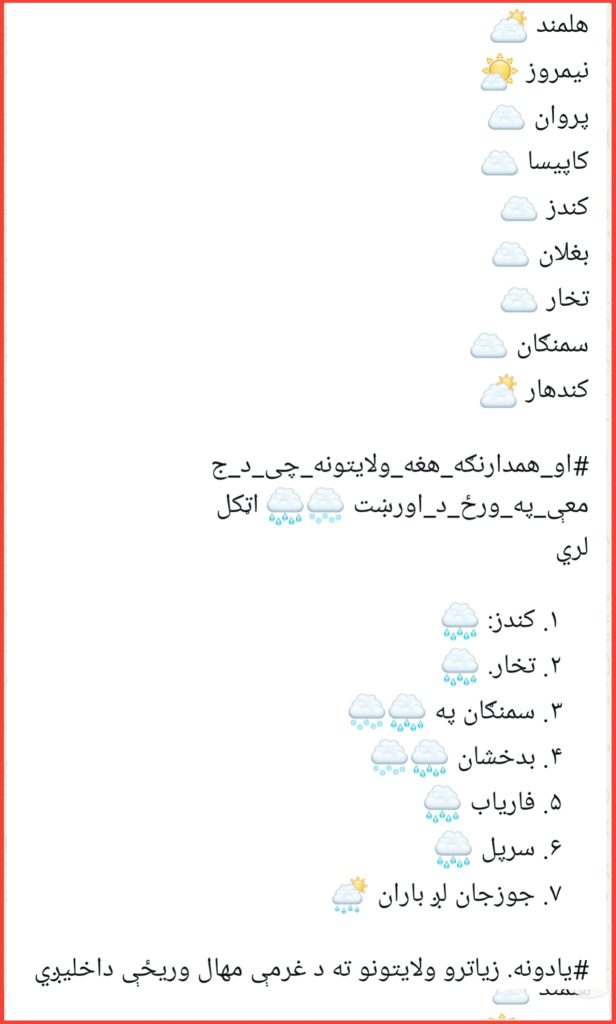
Over the past few days, residents of eastern, central and northern provinces have reported dense and dark clouds gathering in the sky. According to preliminary weather reports, these clouds are part of a strong weather system moving south from Central Asia. Experts say that such weather systems usually bring mixed weather – i.e. rain in the plains and high amounts of snow in the mountainous areas. Although the intensity will vary from province to province, at least light or moderate rain is expected in several districts.
Chances of snow in the mountains
The chances of snowfall are high in the mountainous areas of Bamiyan, Daikandi, Badakhshan and Ghor. Local farmers, who rely on winter snow for spring water, cautiously welcome the development. Adequate amount of snow plays an important role in replenishing canal water, river and groundwater reserves.
However, sudden or heavy snowfall can also cause problems, especially in remote areas where roads are quickly blocked. That’s why authorities have instructed residents to take the latest weather reports and exercise caution in areas with possible landslides.
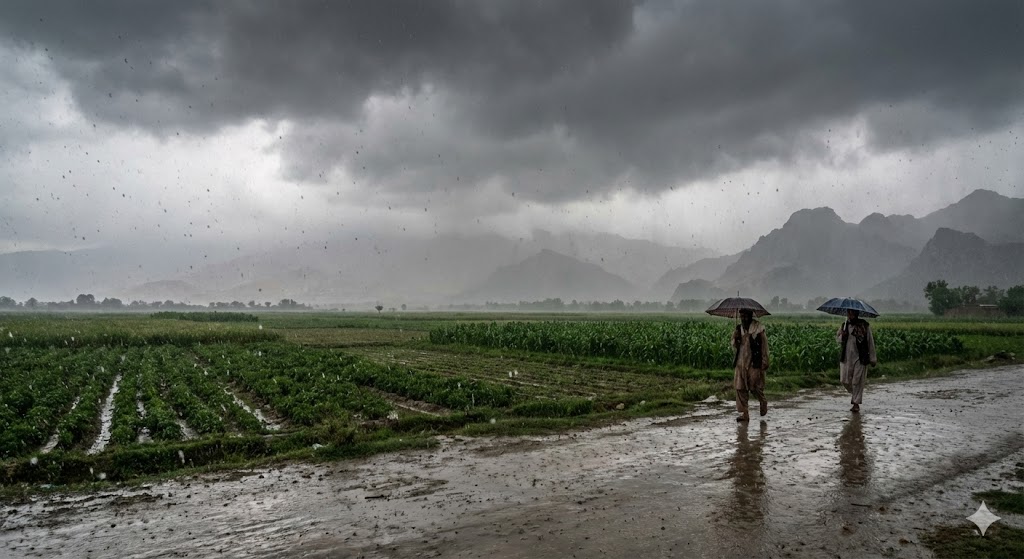
Rain affects life in rural areas
Plains provinces such as Nangarhar, Khost, Helmand, Kandahar and Herat are more likely to receive rain rather than snow. Even a few hours of continuous rain can be beneficial for farmers who are preparing winter crops, but there is also a risk of temporary flooding in areas that are not drained.
Major cities such as Kabul, Mazar-i-Sharif and Herat are likely to see slippery roads and slow traffic. Municipal authorities usually instruct drivers to take precautions. to avoid accidents in the rain.
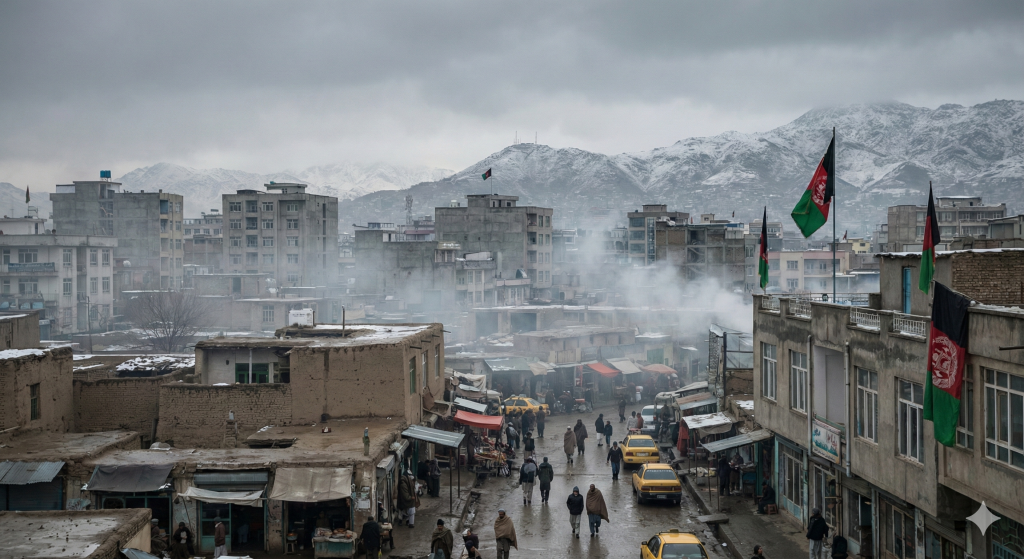
Decrease in temperature and increase in household preparations
This system of clouds has also led to a significant drop in temperature. The need for home heating has increased in rural areas, leading people to stockpile wood, gas and other heating sources. Health workers often warn that heating appliances should be used carefully to avoid smoke-borne diseases or accidental fires.
The normal weather cycle, but caution is needed.
Experts say that although the system appears large and dense in appearance, it is part of the natural cycle of winter. However, in areas where there have been avalanches, landslides or floods in the past, it is necessary to be alert.
The authorities have instructed emergency teams to be on alert. So that immediate action can be taken in case of road closures, avalanches or minor floods.
Warnings for passengers and transport companies
Inter-provincial travellers have been advised to exercise caution in certain routes, especially in hilly locations like Salang Pass. Where the roads may be closed or slow due to snowfall and slippage. Transport companies have also expressed the possibility of delays.
More systems are expected in the coming days.
The Meteorological Department is monitoring the movement of this weather system. More clouds are also likely to enter Afghanistan after the first wave.
For many Afghans, the season is at once a trial and a blessing – on the one hand, daily activities can be affected, but on the other hand, the rains play a fundamental role in irrigating the land and supporting agriculture.
The introduction of dense clouds in Afghanistan is the beginning of a significant change in the weather. Whether these clouds bring rain or snow, they are part of the natural winter cycle that affects every part.
Residents are advised to be aware of the latest weather conditions, take precautions and make necessary preparations.